Huawei FreeClip and Micro-Pump Liquid Cooling Case: My Early 618 Tech Buys
These days, the so-called 618 shopping festival is no longer confined to a single date. Promotions usually start well in advance across major e-commerce platforms, and as someone who likes buying and trying digital gear, I ended up finishing this year’s 618 shopping early.
The two things I picked up were the Huawei FreeClip clip-on earbuds and Huawei’s micro-pump liquid cooling phone case.
Huawei FreeClip clip-on earbuds
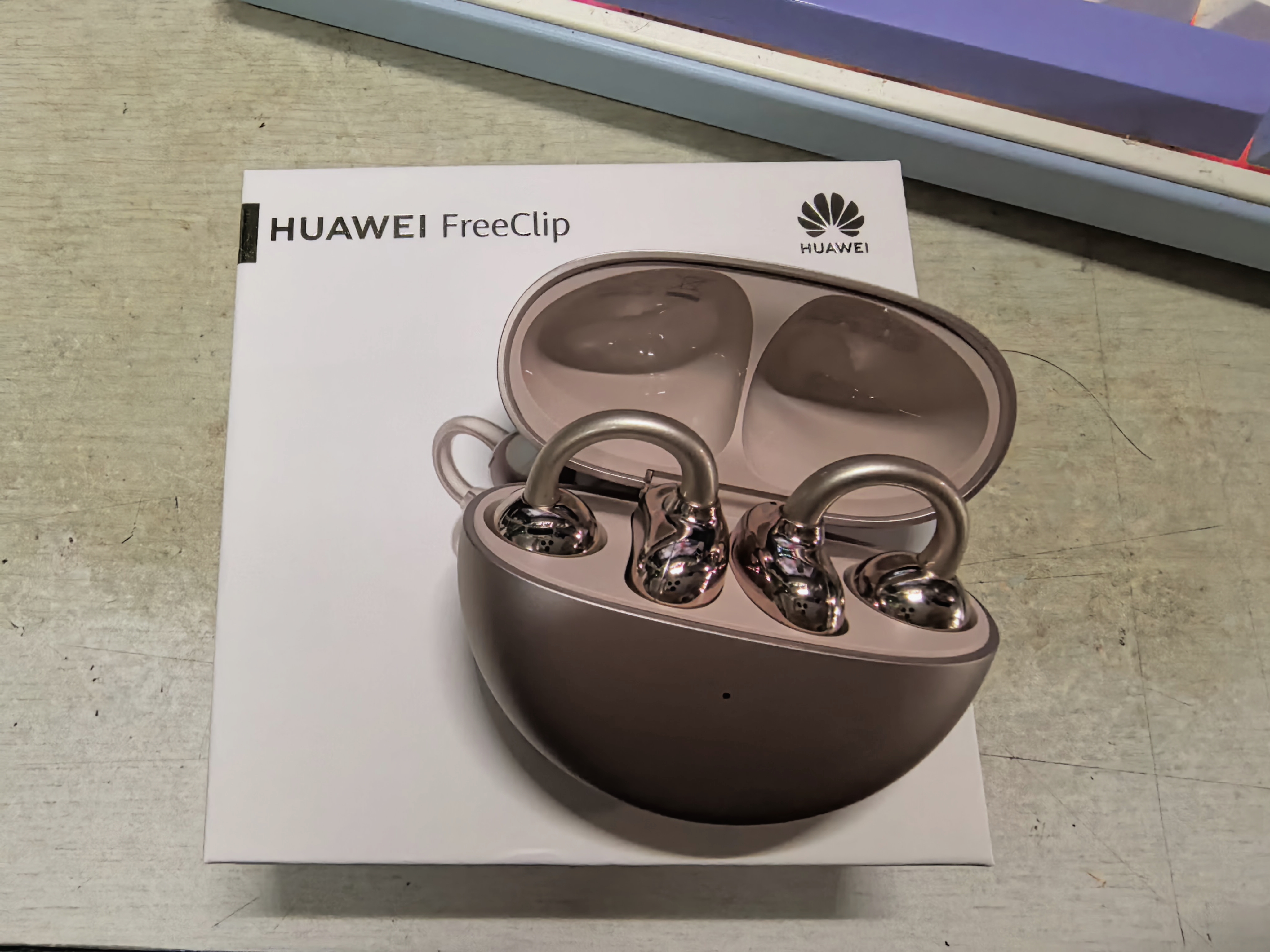
Why I bought them
There were three main reasons behind this purchase.
First, Xiaomi recently released its own clip-on earbuds at a price of 799 yuan, and that sparked a lot of discussion online. Huawei has been one of the most talked-about names in the domestic clip-on earbud category, so people have naturally been comparing the first-generation FreeClip from 2023, the second-generation FreeClip released in 2025, and Xiaomi’s new model. I kept seeing reviews and user impressions on Douyin, Xiaohongshu, and Bilibili, which made me curious. Based on my own overall impression after going through reviews and comment sections, my personal ranking was: FreeClip 2 > Xiaomi clip-on earbuds > FreeClip 1.
Second, I usually wear in-ear noise-canceling earbuds for long periods. I even wear them when sleeping, and I also use them a lot during the day for music. Recently, my ears started feeling swollen and uncomfortable. Clip-on earbuds are mainly marketed around comfort and reduced fatigue during long wear, which matched exactly what I was looking for. I had actually been paying attention to the FreeClip series for a long time, but the price had always put me off.
Third, with 618 approaching, the FreeClip lineup finally saw some meaningful discounts. The first-generation FreeClip, originally released in 2023, was still selling for around 800 to 900 yuan earlier this year, which says a lot about how well the product held its value. The second generation, released last year, usually stayed above the 1,000-yuan mark across platforms. At the time I was buying, the lowest price for the second gen across platforms was roughly 980 yuan, while on Taobao’s subsidy deals the first-gen FreeClip in purple was 590 yuan and the rose gold version was 610 yuan. In the end, I bought the first-generation rose gold model.
Actual experience after a few days
I used them moderately for three days after receiving them, and my impressions were pretty clear.
- Comfort and fit
They are not completely “invisible” in the way some people describe. When you first put them on, you can definitely feel them, and there is a short adjustment period. Once I got used to them, though, I’d say they reached something like 90% of that nearly unnoticeable feeling.
I’m the kind of person who, when riding a bike with my phone in my pocket, keeps reaching down to make sure it’s still there. Wearing the FreeClip gave me a similar reflex: I’d occasionally touch my ear just to check whether the earbuds were still in place, because they felt so light that I worried they might have fallen off without me noticing.
Overall, if 10 is full marks, I’d give the wearing experience a 9.5/10.
- Sound quality
Since these are open-ear clip-on earbuds, it’s best not to expect too much in terms of audio quality. For casual use like scrolling short videos or watching regular video content, the sound is perfectly acceptable and the shortcomings are less obvious. But when listening to music on purpose, the gap compared with in-ear earbuds is very noticeable.
To be blunt, this first-generation FreeClip is really just good enough to produce sound. If your goal is excellent music playback, there’s basically no reason to consider this type of earbud. Clip-on earbuds make sense primarily when comfort and wearability matter more than sound performance.
On a 10-point scale, I’d rate the sound quality 4/10.
Later, I also came across a Bilibili comparison focused on sound quality between these three products, and the conclusion lined up pretty closely with my impression: Xiaomi’s clip-on earbuds and the FreeClip 2 are both clearly better, while the first-generation FreeClip is the weakest of the three.
Huawei micro-pump liquid cooling phone case
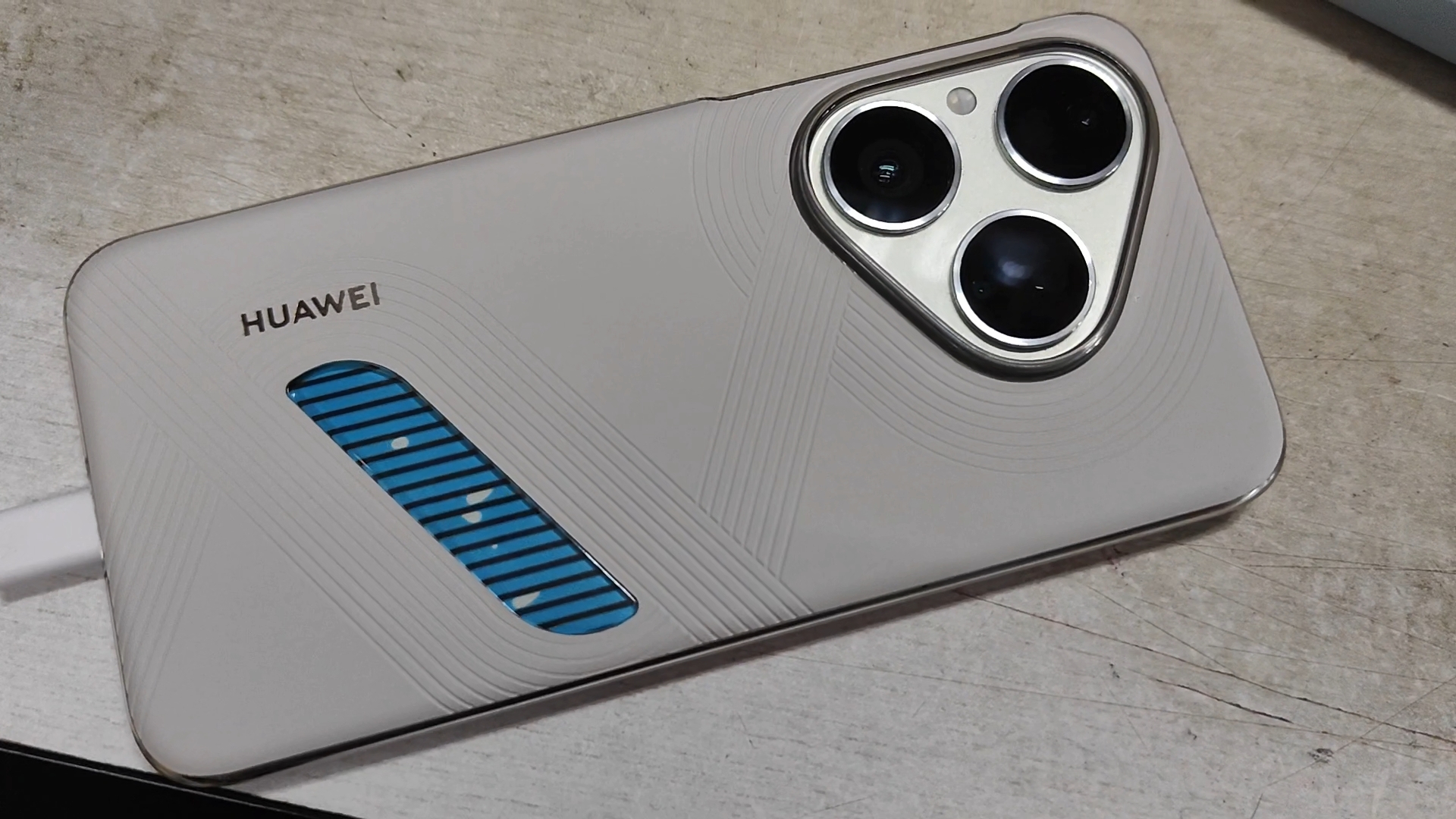
I had noticed this kind of Huawei phone case quite a while ago. The earliest one I remember was the micro-pump liquid cooling case for the Pura70, which was priced at 299 yuan on the official store. More recently, I had seen the Pura80 version selling for 39 yuan each on Xianyu.
Some people might wonder why a phone case would even count as “gear.”
The reason is that this is not just a protective shell. Its working principle is actually fairly interesting.
The micro-pump liquid cooling case uses a combination of phase-change material and a miniature liquid pump for heat dissipation. A heat-conductive structure on the inside quickly absorbs heat from the phone body. The phase-change particles first absorb and store that heat, helping slow down the rise in temperature.
When the phone heats up further under heavy load, the built-in micro-pump starts automatically and drives coolant through a tiny internal circulation channel, spreading heat more evenly and moving it toward the outer side of the case where it can dissipate.
This cooling case does not need an external power source. It runs on the phone’s reverse wireless charging and can intelligently start or stop the circulation system depending on temperature. Compared with ordinary cooling accessories, it combines passive heat storage with active liquid cooling, so the cooling efficiency is stronger. It also has a visible window on the back, so you can directly see the coolant moving inside.
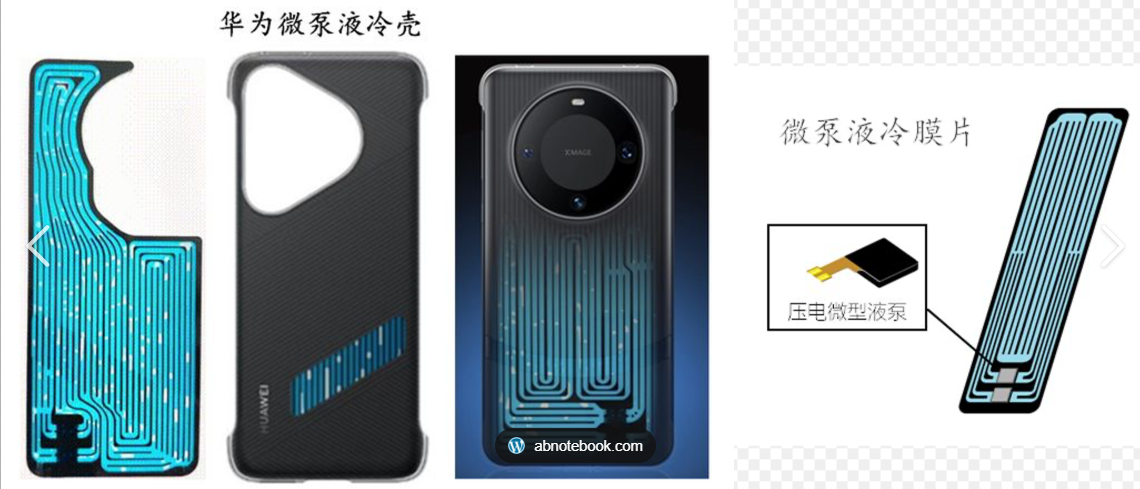
Even though I only paid 17 yuan for mine, the hardware inside is surprisingly complete. It includes a piezoelectric ceramic micro-pump, a temperature-control driver board, sealed liquid-cooling tubing, dedicated coolant, and phase-change heat storage material. It’s a small accessory, but it really packs in a full set of components.
A brief aside
Lately, my blog update frequency has dropped quite a bit. Most days, I only feel like organizing my thoughts and writing when I manage to carve out half a day or a full day for studying. Oddly enough, whenever I’m supposed to be studying, I suddenly feel like doing anything except studying.
Writing blog posts also takes more time than it looks. This one doesn’t even feel especially long, but it still took me close to two hours from start to finish.
It’s also hard to settle down and write in the dorm. We have long shared desks lined up together, and my roommates will more or less glance over to see what I’m doing. It’s not a big deal, but it still feels strangely awkward—almost like secretly writing in a diary back in school.